



Ancient Chinese Blue Glazed Pottery Bowl - Minneapolis Institute of the Arts
Ceramic art from the 12th century AD, now collected at the Minneapolis Institute of Art. It is one of the outstanding representatives of ancient Chinese ceramic art, showcasing the exquisite skills of Song Dynasty ceramic art with its unique colors and craftsmanship. Blue glaze, also known as blue color, is a glaze color formed by applying cobalt containing blue pigment to the surface of porcelain and firing it at high temperatures. It became popular in the Song Dynasty and was loved by people for its bright and pure blue color. Not only is it a masterpiece of ancient Chinese ceramic art, but it is also a bridge for cultural exchange between the East and the West. Enable people from all over the world to appreciate the charm of ancient Chinese ceramics and learn about China's long history of ceramic culture

Porcelain from the Qianlong period of the Qing Dynasty in China - Cleveland Museum of Art
It is a porcelain piece from the Qianlong period of the Qing Dynasty in China (1736-1795), with the mark of the Qianlong period. Decorated with colorful franc glaze, belonging to the style of Gu Yue Xuan. The Cleveland Museum of Art belongs to the John L. Severance Foundation. This porcelain represents the high level of porcelain production in the Qing Dynasty, and its exquisite franc glaze decoration and delicate craftsmanship showcase the prosperity of porcelain art at that time. The Qianlong period was one of the golden ages of Chinese porcelain development, and the porcelain of this period was famous for its exquisite craftsmanship and rich decoration.

Traditional Carving of Chinese City Walls (Part 2)

Traditional Carving of Chinese City Walls (Part 1)

Ancient Chinese Bronze Tripod - Minneapolis Museum of Art
Ding is a bronze container used for cooking and worship in ancient China, with a history dating back to the 11th century BC to the 10th century BC. The characteristic is a flat bottom, three legged support, and high artistic and historical value. During the Shang Dynasty, the legs of bronze tripods were mostly flat, usually designed in the shape of dragons. In the early Western Zhou Dynasty, tripod legs began to be popular in the form of birds. The tripod collected by the Minneapolis Museum of Art features a bird shaped design with three legs, standing on claws and tail, and decorated with cicada patterns above the legs. It reflects the bronze casting technology of ancient China, as well as the aesthetic and cultural beliefs of the society at that time.

Chinese Zither
Also known as Qin Zheng, it is one of the ancient ethnic plucked instruments in China with a history of over 2500 years. It usually consists of 21 strings, with 21 columns below the strings that can adjust pitch. Clear and melodious tone, rich in expressiveness, capable of playing a variety of different music styles. The origin can be traced back to the Warring States period, initially popular in the Central Plains region of China, and later gradually spread to various parts of the country. The playing techniques are rich and diverse, including playing, plucking, shaking, rolling, and other techniques, which can express delicate emotions and complex musical structures. Learning and playing Guzheng can not only enhance one's musical literacy, but also inherit and promote Chinese traditions

Hangzhou Great Wall Relief
Great Wall relief is an art form that uses copper as the material and condenses the magnificent scenery and historical culture of the Great Wall into exquisite relief works through forging, carving, and other techniques. In Hangzhou, such works of art not only showcase the historical and cultural value of the Great Wall, but also reflect the outstanding achievements of ancient Chinese military wisdom and architectural technology. These relief works embody the wisdom and courage of the Chinese nation, becoming a symbol of national spirit and a treasure of ancient Chinese civilization. As a form of artistic expression, it allows people to appreciate art while gaining a deeper understanding and appreciation of the history and culture of the Great Wall.

Chinese Kirin Statue
The Qilin is a auspicious beast in ancient Chinese mythology, symbolizing auspiciousness, peace, and prosperity. In traditional culture, it occupies a pivotal position and is known as one of the "Four Spirits" along with the dragon, phoenix, and turtle. There are various forms of imagery, some described as sheep heads, wolf hooves, and domes, with colorful bodies, while others are described as bodies resembling musk deer, tails resembling dragon tails, covered in dragon scales and horns. As a traditional Chinese handicraft, it showcases the charm of Chinese traditional culture, with exquisite carving skills and unique design. It has rich cultural connotations, occupies an important position in folk beliefs and artistic creation, carries the wisdom and craftsmanship of the Chinese nation, and has become a treasure of traditional Chinese culture

Chinese folding fan dragon fan
It is a traditional handicraft with a long history and profound cultural heritage. Originating in China, it later spread to Japan, Korea, and other places, becoming an indispensable part of East Asian culture. Made of bamboo, paper, silk and other materials, the fan is painted with exquisite patterns, usually with the image of a Chinese Loong, which shows the exquisite skills of traditional Chinese painting. In ancient times, it was often used as a decoration for literati and scholars, symbolizing identity and taste. The patterns and calligraphy on the fan often contain rich cultural meanings and philosophy, reflecting the user's cultivation and sentiment. Carrying the rich history and culture of the Chinese nation.

Bird shaped incense burners from the Six Dynasties period in China
Also known as bird shaped aromatherapy or bird shaped incense burners, it is an ancient tool used for burning incense. Usually made of metal materials such as bronze, it mimics the shape of birds and has unique artistic beauty and practical functions. In Chinese history, the bird shaped incense burners during the Six Dynasties period (220-589 AD) are particularly famous. During this period, incense burners not only pursued exquisite and meticulous design, but also reached a considerable level of craftsmanship. The production and use are closely related to the religious beliefs and cultural customs of ancient China. In Buddhist rituals, incense burners are often used for worship and worship, with cigarettes swirling around them, symbolizing the devotion of believers and their reverence for the Buddha.

Popular Models


Honey Badger (3D animated model)
192 View
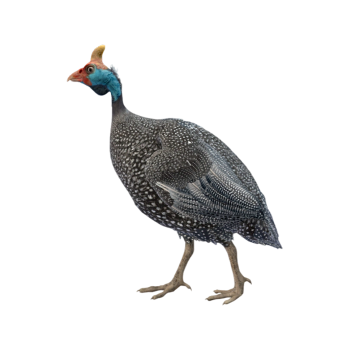
Guinea fowl (3D animated model)
163 View

Wild Goose (3D animated model)
185 View

Red Fox (3D animated model)
153 View
Random Model

Whale shark (with 3D animated model)
906 View

Toyota Camry NASCAR NEXTGEN 2022
871 View


Men's Gore-Tex Oxford Shoes
696 View

Ducati Panigale 1299
969 View

Nickelosaurus skull fossil
867 View



Scooter 3D model
1199 View